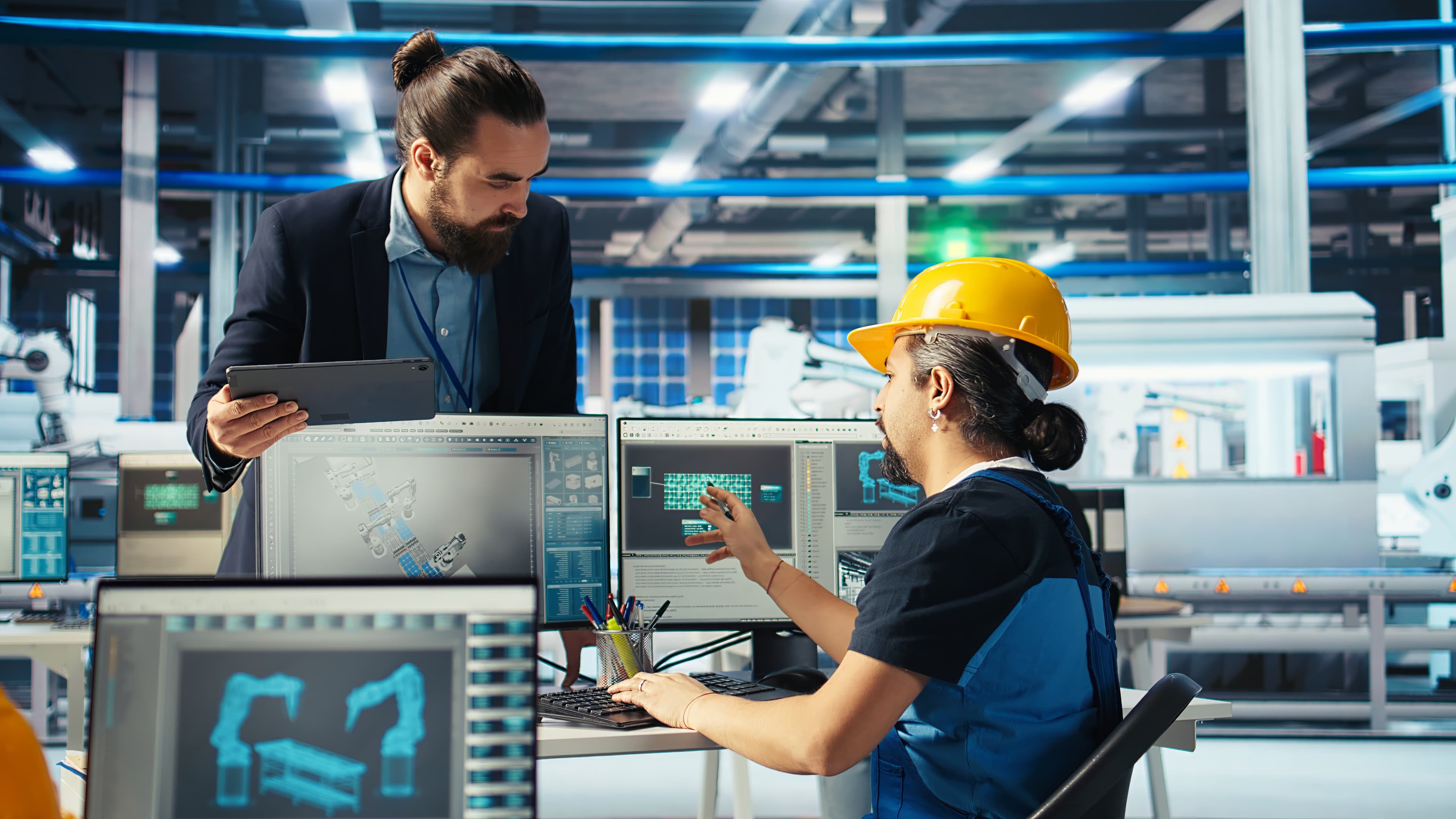
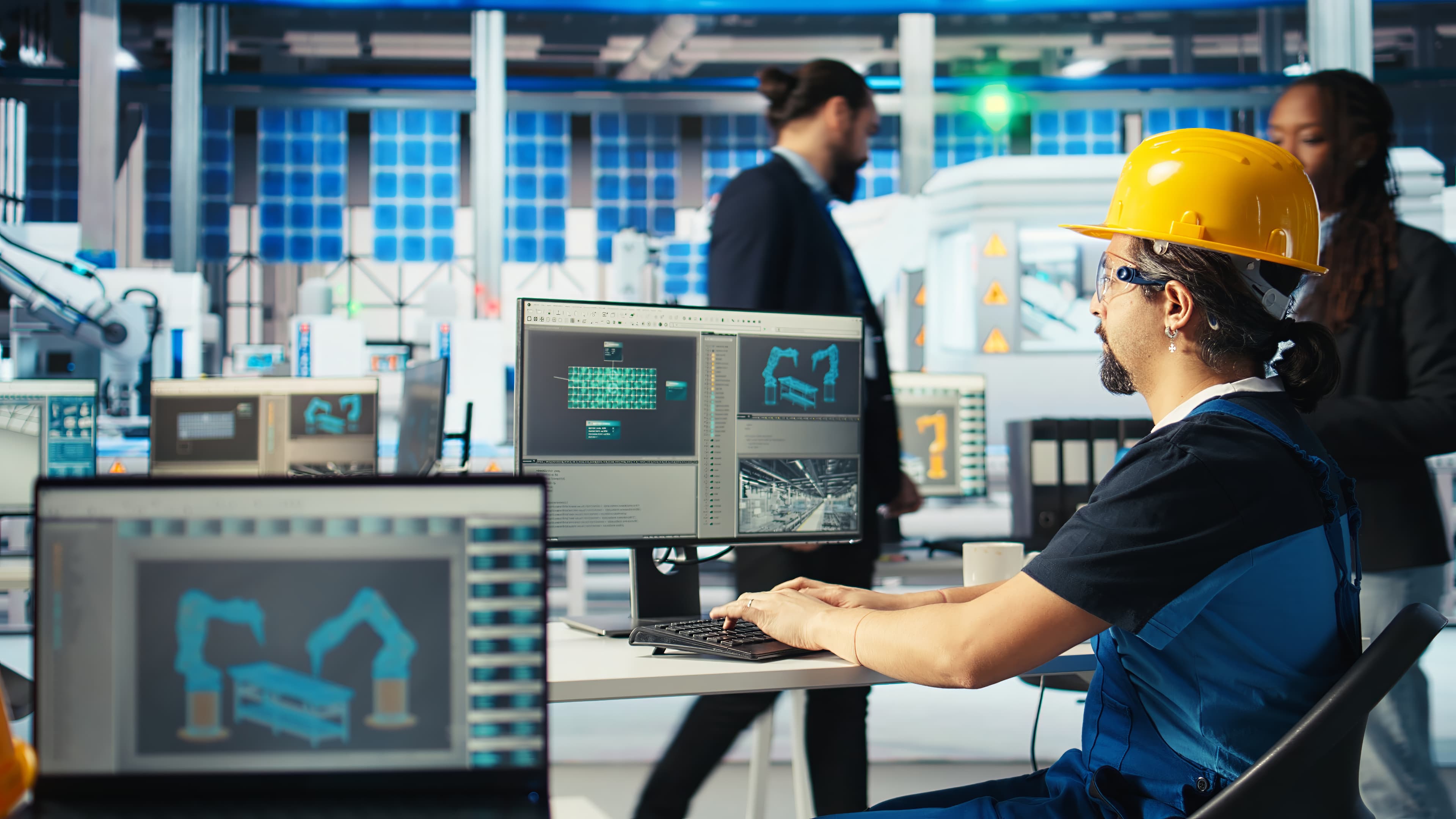
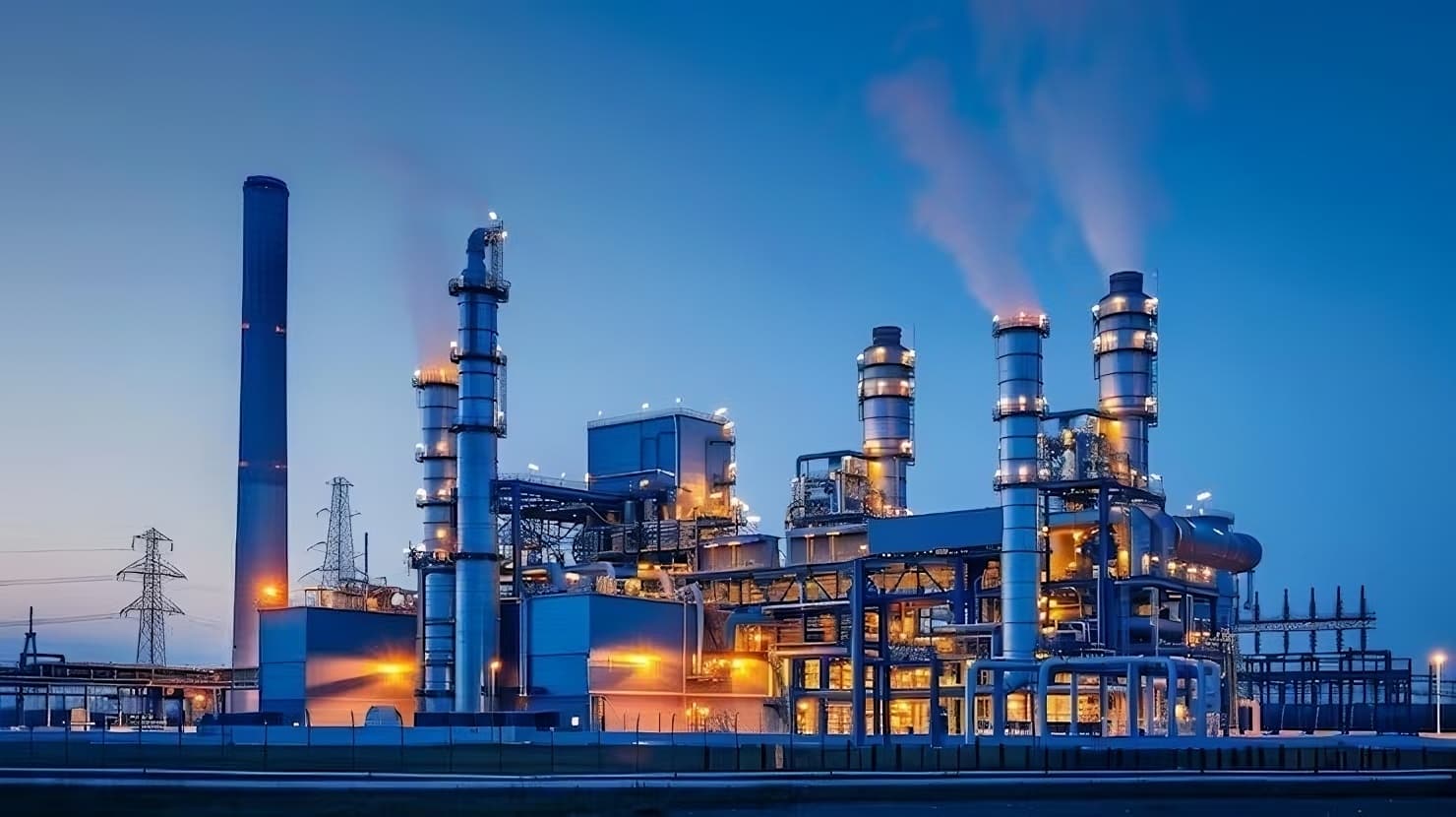
Real-time Data Integration
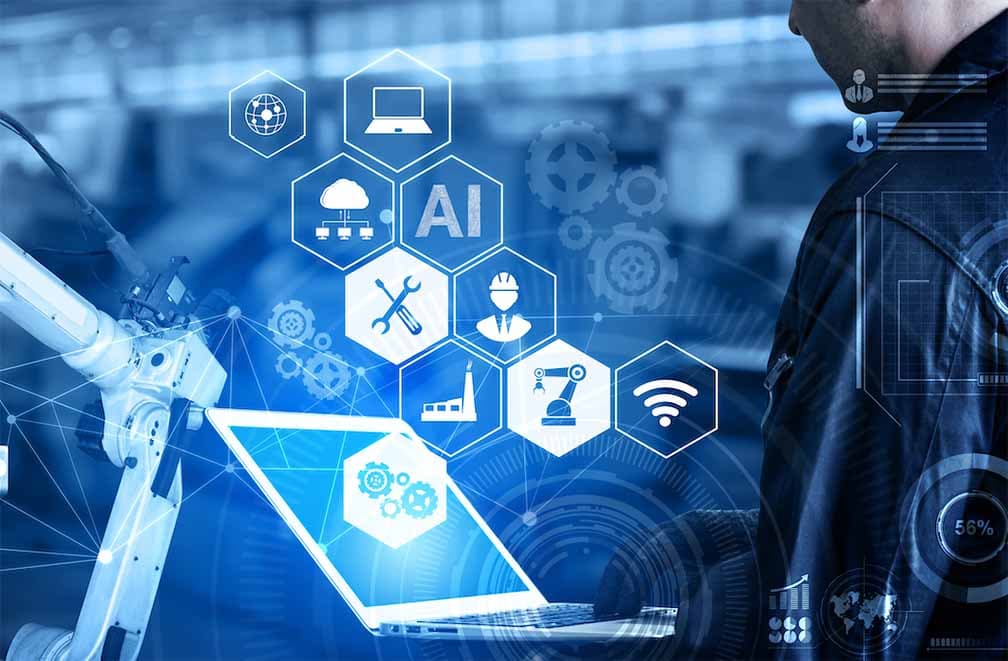
Sensors & IoT Devices
Collect live operational data from assets and machines.
Connectivity
Cloud and edge connectivity enable continuous data flow.
Synchronization
Keeps the digital model synchronized with real-time asset behavior.
Data Accuracy
Ensures precise monitoring and analytics using live inputs.
Simulation & Modeling
Mathematical Models
Equations and formulas to mimic system behavior.
Physics-Based Simulation
Digital representation based on real-world physics.
AI & Machine Learning Models
Improves predictions through training on data.
Scenario Testing
Try out different operating conditions virtually.
Predictive Analysis
Trend Forecasting
Identifies performance patterns.
Failure Prediction
Detects possible breakdowns before they occur.
Maintenance Scheduling
Suggests when to perform preventive maintenance.
Optimization Planning
Improves resource use based on future insights.
Visualization
2D / 3D Graphics
Easy-to-understand system views.
Virtual Reality (VR)
Immersive exploration of the asset.
Augmented Reality (AR)
Overlay live system data in the real world.
Dashboards & Interfaces
Graphs, charts, and KPIs for quick insights.
Lifecycle Management
Design Phase
Virtual prototyping and testing.
Operation Phase
Monitoring real-time performance.
Maintenance Phase
Predictive and preventive servicing.
End-of-Life Phase
Recycling, upgrades, or disposal planning.
Interactivity & Experimentation

Parameter Adjustment
Change settings like speed, load, or temperature.
What-if Scenarios
Simulate future outcomes safely.
Risk-Free Testing
No danger to real assets during trials.
Rapid Prototyping
Test designs quickly without physical builds.
Integration with Systems
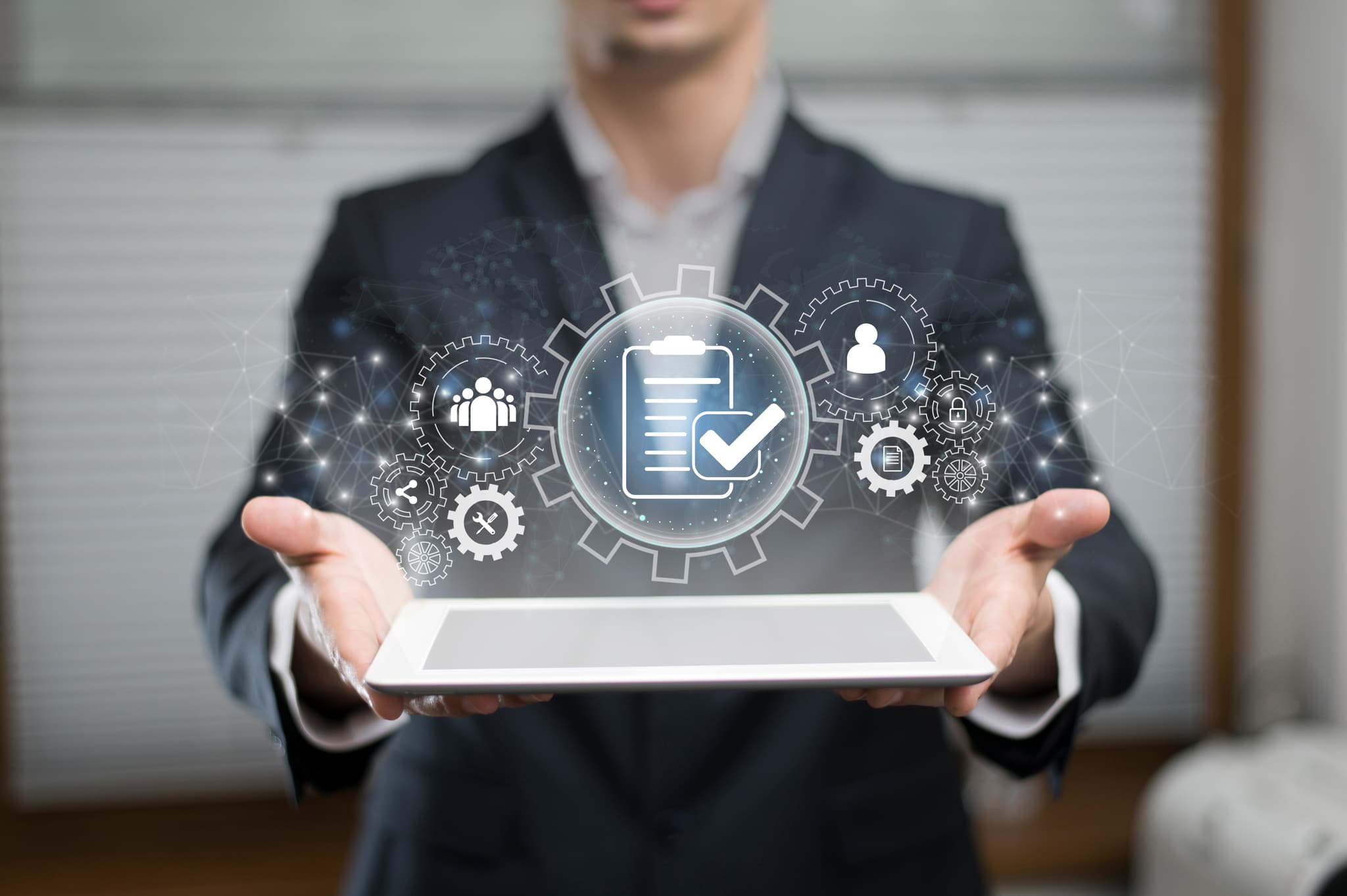
PLM (Product Lifecycle Management)
Supports product design and updates.
ERP (Enterprise Resource Planning)
Links business data with operations.
MES (Manufacturing Execution Systems)
Tracks production details.
Cross-Department Collaboration
Connects engineering, operations, and management teams.
Scalability
Component-Level
Represents a single part (e.g., motor).
Asset-Level
Models an entire machine or vehicle.
System-Level
Simulates production lines or factories.
Ecosystem-Level
Expands to cities, supply chains, or industries.
Optimization & Decision Support
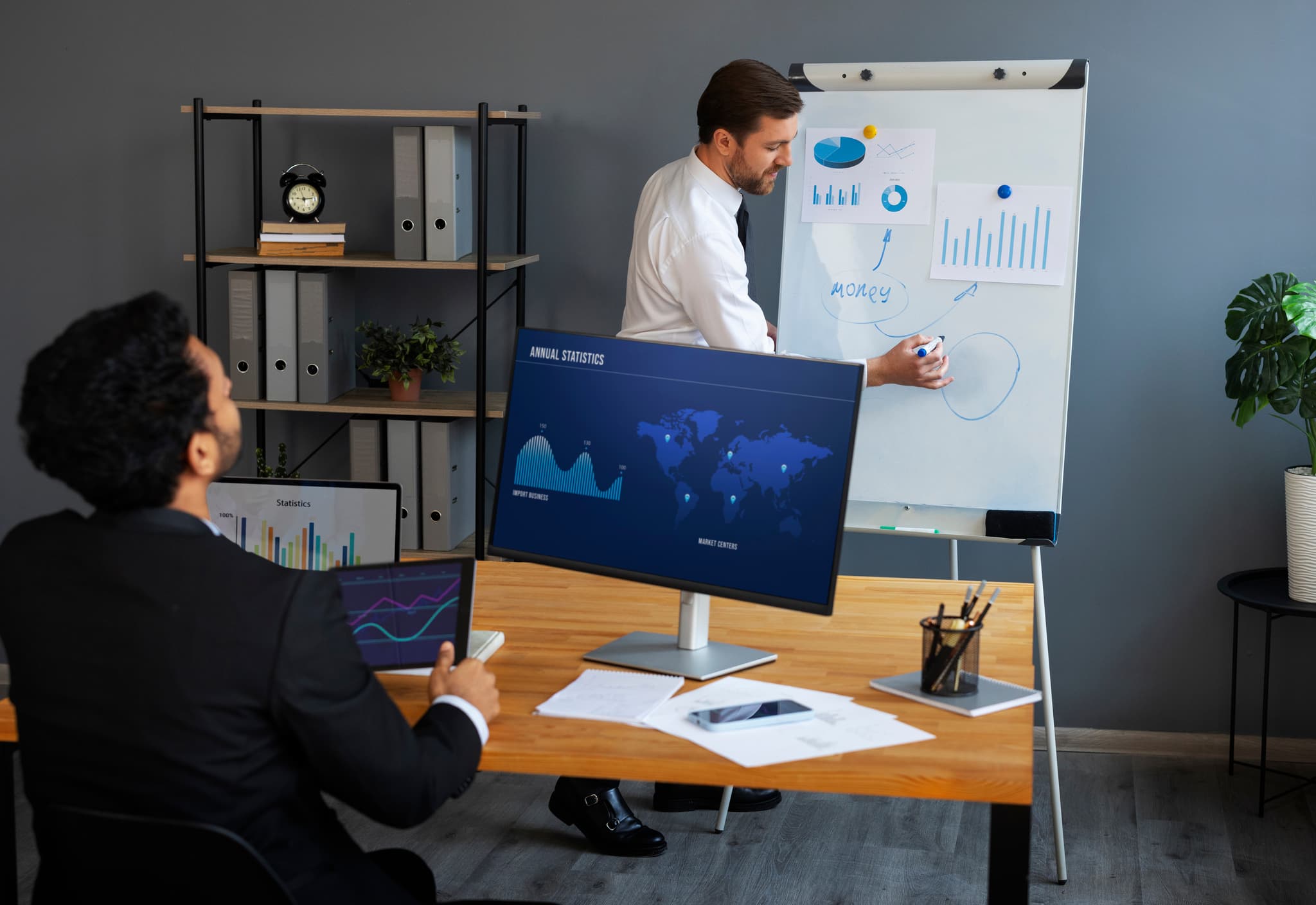
Performance Improvement
Identifies efficiency gaps.
Cost Reduction
Minimizes downtime and resource waste.
Strategic Planning
Helps in long-term investment and innovation.
Real-Time Decision Making
Provides actionable insights instantly.
Feedback Loop
Data Collection
Physical asset sends performance data.
Simulation & Analysis
Digital twin processes and evaluates it.
Insight Application
Recommendations applied to the real system.
Continuous Learning
Model improves with more data over time.