Seamless integration of AR and VR Technologies in the automotive tyre manufacturing process
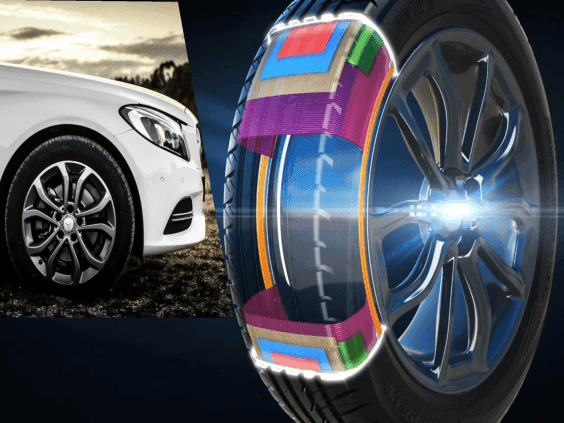
Augmented Reality (AR) and Virtual Reality (VR) are rapidly transforming the manufacturing industry by improving efficiency, reducing errors, and enhancing workforce training. These immersive technologies allow engineers, technicians, and operators to interact with digital information in ways that were not possible with traditional systems.
In modern manufacturing environments, AR enables workers to overlay digital instructions directly onto physical machines. This allows technicians to visualize assembly steps, identify components, and troubleshoot equipment in real time. By providing step-by-step visual guidance, AR reduces human errors and shortens the time required for maintenance and repairs.
Virtual Reality, on the other hand, creates fully immersive digital environments where engineers can simulate factory layouts, machine operations, and production workflows before implementing them in real life. This helps organizations test different manufacturing scenarios without interrupting actual production lines. As a result, companies can optimize factory processes, improve safety, and reduce operational risks.
One of the most powerful applications of AR and VR in manufacturing is workforce training. Instead of learning from manuals or classroom sessions, employees can train inside realistic virtual simulations. Workers can practice operating complex machinery, handling hazardous environments, or performing maintenance procedures without any real-world risks. This leads to faster learning and better skill development.
Another key advantage is remote collaboration. With AR and VR tools, experts can assist factory workers from anywhere in the world. Engineers can view live equipment data, annotate components, and guide technicians through complex repairs using immersive interfaces. This significantly reduces downtime and improves productivity across manufacturing facilities.
As manufacturing continues to evolve toward Industry 4.0, AR and VR technologies will play a crucial role in building smarter factories. By integrating immersive visualization, real-time data, and advanced analytics, manufacturers can create more efficient production systems while improving worker safety and performance.
In the coming years, organizations that adopt AR and VR solutions will gain a significant competitive advantage by accelerating innovation, reducing costs, and delivering higher quality products.